automated sales reporting for smarter digital growth
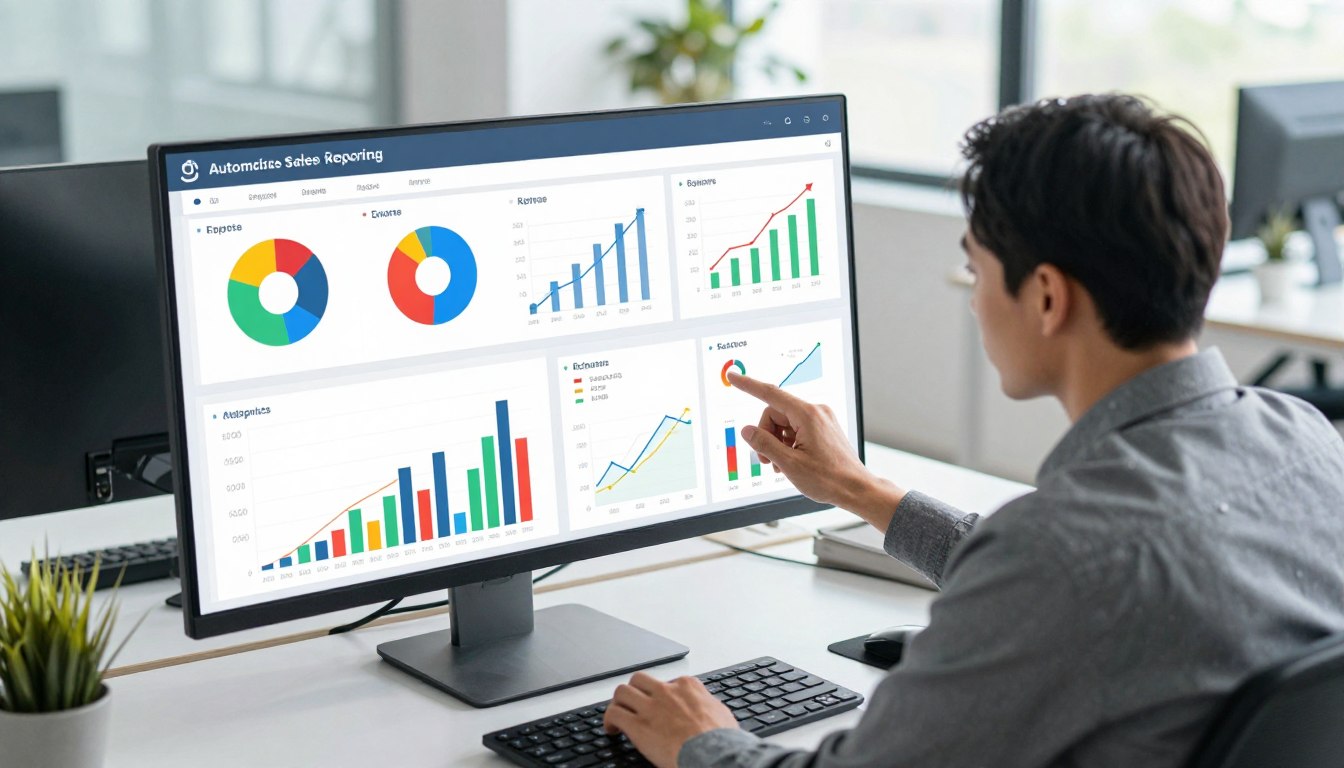
Growth often feels exciting until scattered spreadsheets, late updates, and missed details slow your next move. In Singapore’s fast digital market, we need clear answers while opportunities are still fresh. Better visibility can turn daily pressure into confident action.
Automated sales reporting brings revenue, conversions, leads, and customer interactions into one reliable view. It reduces hours spent checking figures and gives teams more time to serve customers, improve campaigns, and build lasting relationships. Accurate sales data also helps leaders spot changes before they affect cash flow.
Modern tools can connect CRM platforms, workflow automation, and meeting intelligence. For example, tl;dv supports Zoom, Google Meet, and Microsoft Teams by recording and transcribing business meetings. Together, these systems create timely reports, useful insights, and stronger decisions for local and global businesses.
Key Takeaways
- Reliable data supports faster, smarter decisions.
- Clear dashboards reduce manual work.
- Revenue trends become easier to understand.
- Teams gain more time for high-value tasks.
- Connected tools create a responsive growth process.
What Is Automated Sales Reporting?
Automated sales reporting is a system that gathers business data, studies it, and creates useful reports with little manual effort. For Singapore teams, this process brings customer activity and revenue details into one clear view.
It starts with data collection from transactions, leads, customer interactions, and pipeline activities. Next, analytics tools apply set rules or custom filters to find patterns, links, trends, and key performance indicators.
How Data Collection, Analysis, and Report Generation Work
Dashboards turn complex figures into graphs, charts, tables, and brief summaries. This format improves accuracy and helps leaders make timely decisions. Automation also keeps updates consistent across connected platforms.
Key Metrics to Track Automatically
Useful metrics include revenue, transaction volume, conversion rate, acquisition cost, lead numbers, and pipeline activity. Together, they show performance and reveal areas that need attention.
Tools like Salesforce, HubSpot, Zoho, and Pipedrive centralize information in one software environment. Teams can then compare results, review reports, and use reliable insights to guide growth.
Why Manual Sales Reporting Holds Businesses Back
When customer activity sits in separate files, leaders lose a clear view of daily progress. Sales representatives may enter visit notes, while regional managers combine spreadsheets and executives review quarterly summaries. This chain can consume valuable time before anyone acts.
For Singapore businesses, fast market changes make delayed updates especially costly. A deal may need quick support, yet its latest stage remains hidden until the next review. Slow information flow can turn a strong opportunity into a missed one.
Delayed Updates and Inconsistent Sales Data
Different teams often use varied names, formats, and collection methods. As a result, data from territories may not match. Manual reporting also increases duplicate entries and human error, which weakens accuracy and management visibility.
The Hidden Cost of Reporting Errors
Small mistakes can distort forecasts, hide pipeline changes, and reduce confidence in performance reports. They may also slow customer responses and weaken team efficiency. Automation standardizes processes, keeps updates moving, and gives organizations dependable information for better decisions.
- Fewer repetitive checks for sales teams
- Clearer forecasts for business leaders
- More time for customer engagement
How Automated Sales Reporting Improves Sales Performance
Live revenue visibility gives Singapore businesses a clearer view of daily progress. Representatives can see how visits, calls, and follow-ups affect pipeline strength, deal speed, and territory coverage.
With automated sales reporting, managers spot risks and opportunities while they still matter. Predictive analytics can reveal changing customer behavior, weak activity levels, and promising accounts. This helps teams adjust priorities before gaps affect revenue.
Instead of relying on manual reporting, field representatives can plan better routes and focus on high-value accounts. They save time, respond sooner, and support stronger performance across each territory. Timely insights turn routine activity into confident decisions.
DreamzCMMS connects Field Sales Software, Sales Performance Tracking, and Real-Time Sales Reporting with predictive analytics. Its connected approach gives management useful reports, clear summaries, and consistent data in one operational environment.
| Capability | Team Benefit | Business Outcome |
|---|---|---|
| Live activity data | Faster priority changes | Healthier pipelines |
| Predictive insights | Earlier risk detection | Protected revenue |
| Route planning | Less travel waste | Higher field efficiency |
Core Features of Modern Sales Reporting Tools
Modern platforms give Singapore businesses a clearer way to review results and act with confidence. Instead of waiting for static files, teams can view fresh metrics, spot changes, and share useful reports across the business.
Real-Time Dashboards and Automated KPI Tracking
MarketingPuls displays key figures through live dashboards and customizable templates. Its CRM integration connects Salesforce, HubSpot, Zoho, and Google Sheets. Mobile access also helps field teams check performance during client visits.
AI-Powered Insights and Predictive Forecasting
Natural language generation turns complex data into clear summaries for management. Machine learning detects patterns, highlights trends, and supports predictive analytics. This helps leaders estimate revenue and improve forecast accuracy before making important decisions.
Automated Summaries, Alerts, and Notifications
Defined thresholds can trigger alerts through Slack and other platforms. These updates help the right team respond quickly. Better automation improves efficiency while keeping information easy to understand.
“What gets measured gets managed.”
| Feature | MarketingPuls Benefit | Business Value |
|---|---|---|
| Live dashboards | Immediate KPI visibility | Faster action |
| AI summaries | Clear executive language | Stronger intelligence |
| Alerts and integration | Connected updates | Reliable team response |
How to Build an Automated Sales Reporting Process
A clear process turns scattered business information into practical guidance. We can build it in stages, starting with the platform and ending with useful updates for each team.
Choose a CRM or Reporting Platform
Begin with a CRM that brings customer details, leads, interactions, marketing efforts, and sales activities into one place. HubSpot, Zoho, Salesforce, and Pipedrive offer strong options for Singapore businesses. Select software that fits your budget, workflow, and growth plans.
Define Business Goals and Performance Metrics
Next, set clear goals for revenue, conversion rates, customer acquisition costs, pipeline health, and team performance. These measures give managers a shared direction. They also make each report easier to understand and act on.
Connect Data Sources and Automate Updates
Link marketing, support, e-commerce, and meeting platforms through data syncing, scheduled imports, or real-time feeds. Clean records before building dashboards to protect accuracy. Then schedule daily, weekly, or monthly summaries and add threshold alerts for urgent changes.
This step-by-step approach saves time, strengthens data collection, and gives teams dependable insights for better decisions.
CRM Integrations That Strengthen Sales Data
Strong connections between business systems give Singapore companies a fuller view of customer journeys. Instead of moving records by hand, we can bring useful information into one CRM and improve reporting accuracy.
Connecting Marketing, Customer Support, and E-Commerce Platforms
Apollo and LeadIQ provide sales software data for CRM synchronization. Marketo and HubSpot add campaign results, lead responses, and customer interactions. This data helps teams understand which channels support growth.
Support tools such as Zendesk, Freshdesk, and Help Scout connect tickets, inquiries, and resolutions to each customer profile. Shopify, Hootsuite, and Google Analytics add store activity, social engagement, and website behavior.
An automated sales workflow reduces information silos and gives management timely insights. With these platforms linked, teams can coordinate customer care, review reports, and improve daily activities. One connected system helps organizations act with greater clarity and less duplicate work.
- Marketing and lead records stay aligned.
- Support history strengthens customer context.
- E-commerce and web signals inform decisions.
| Connected Source | CRM Information Added | Practical Value |
|---|---|---|
| Apollo and LeadIQ | Lead and prospect records | Cleaner follow-up planning |
| Zendesk and Freshdesk | Tickets and resolutions | Better customer management |
| Shopify and Google Analytics | Store and website behavior | Stronger performance context |
Using Meeting Intelligence to Enrich Sales Reports
Customer conversations contain details that numbers alone may miss. Meeting intelligence captures those details and adds useful context to CRM reports. For Singapore teams, this creates a clearer view of needs, concerns, and next steps.
Transcripts, Call Summaries, and Customer Interaction Data
tl;dv records and transcribes meetings on Zoom, Google Meet, and Microsoft Teams. It adds timestamps, searchable transcripts, AI notes, clips, and highlight reels to connected platforms. Its Pro plan costs $20 per recording user each month and offers more than 5,000 integrations.
Teams can send transcripts and summaries into CRM software through integration and workflow automation. Representatives can then find objections, commitments, customer needs, and deal details without replaying a full call. Explore sales intelligence analytics for broader context.
Turning Sales Conversations Into Coaching Insights
Machine learning can reveal conversation trends and repeated customer concerns across many meetings. Managers can use these insights to guide coaching, improve follow-ups, and uncover new opportunities.
tl;dv claims users save 30 minutes per meeting and more than four hours each week. That extra time supports customer-focused activities and stronger team performance.
Best Practices for Accurate and Actionable Reports
Reliable decisions begin with clean records and shared rules. For Singapore businesses, a strong sales reporting routine makes performance easier to trust and act on.
First, remove duplicate contacts, missing fields, and mismatched names before automation sends reports. Data-cleaning tools improve consistency and protect accuracy. Review source data often, especially after a CRM migration.
Next, define each metric, its owner, and its review schedule. CRM systems can send summaries daily, weekly, or monthly. This structure keeps results comparable across regions and business units.
- Use graphs, charts, and tables to show trends faster than a spreadsheet.
- Set alerts for thresholds linked to risks, opportunities, or unusual results.
- Review permissions, data sources, and automation processes each quarter.
Good intelligence should guide action, not create noise. Limit notifications to events that need attention, and give each team a clear response path. A short review of the final report also helps leaders confirm context before making decisions.
| Practice | Recommended Action | Result |
|---|---|---|
| Data quality | Remove duplicates | Higher accuracy |
| Visual design | Use clear charts | Faster insights |
| Alert control | Set useful thresholds | Focused team response |
How Automated Reporting Supports Smarter Digital Growth
Today, automated sales reporting helps Singapore businesses turn fresh information into timely action. Leaders can view results without waiting for an end-of-quarter review, which supports faster planning and steadier growth.
Live dashboards show emerging trends, account risks, and new opportunities as market conditions change. Field teams can adjust routes, focus on high-value accounts, and close operational gaps earlier. This gives management a clearer view of performance and revenue.
Finding Opportunities, Risks, and Emerging Trends
AI adds another layer of intelligence. Machine learning can anticipate outcomes, suggest next-best actions, and improve forecasts from current activities. Clear summaries help leaders compare priorities without studying complex analytics for hours.
Helping Teams Make Faster Data-Driven Decisions
Connected tools also link customer work with wider operations. DreamzCMMS brings together Field Sales Software, Asset Maintenance Management Software, Field Service Management Software, and Construction Project Management Software. This connection aligns performance with service and project goals.
- Spot changes before they affect revenue.
- Give teams useful insights at the right time.
- Improve efficiency through focused processes.
Accurate information gives organizations the confidence to act early and build lasting digital growth.
Conclusion
Smart growth starts when useful information reaches decision-makers at the right moment. Automated sales reporting connects customer activity, CRM records, and revenue signals, giving Singapore businesses a faster path from data to action.
Instead of waiting for spreadsheets or quarterly reviews, teams can use timely reports to spot risks, measure progress, and act on opportunities. CRM links, meeting intelligence, and AI-powered automation turn conversations into practical insights. Salesforce, HubSpot, MarketingPuls, DreamzCMMS, and tl;dv show how connected systems can support scalable sales reporting.
We should begin with clean data, clear goals, and a review process that fits our workflow. The right automation reduces routine work without removing human judgment. Better visibility does more than save time: it helps protect revenue, strengthen performance, and build confidence for the next stage of growth.