Lead Capture Funnel Guide for Digital Business Growth
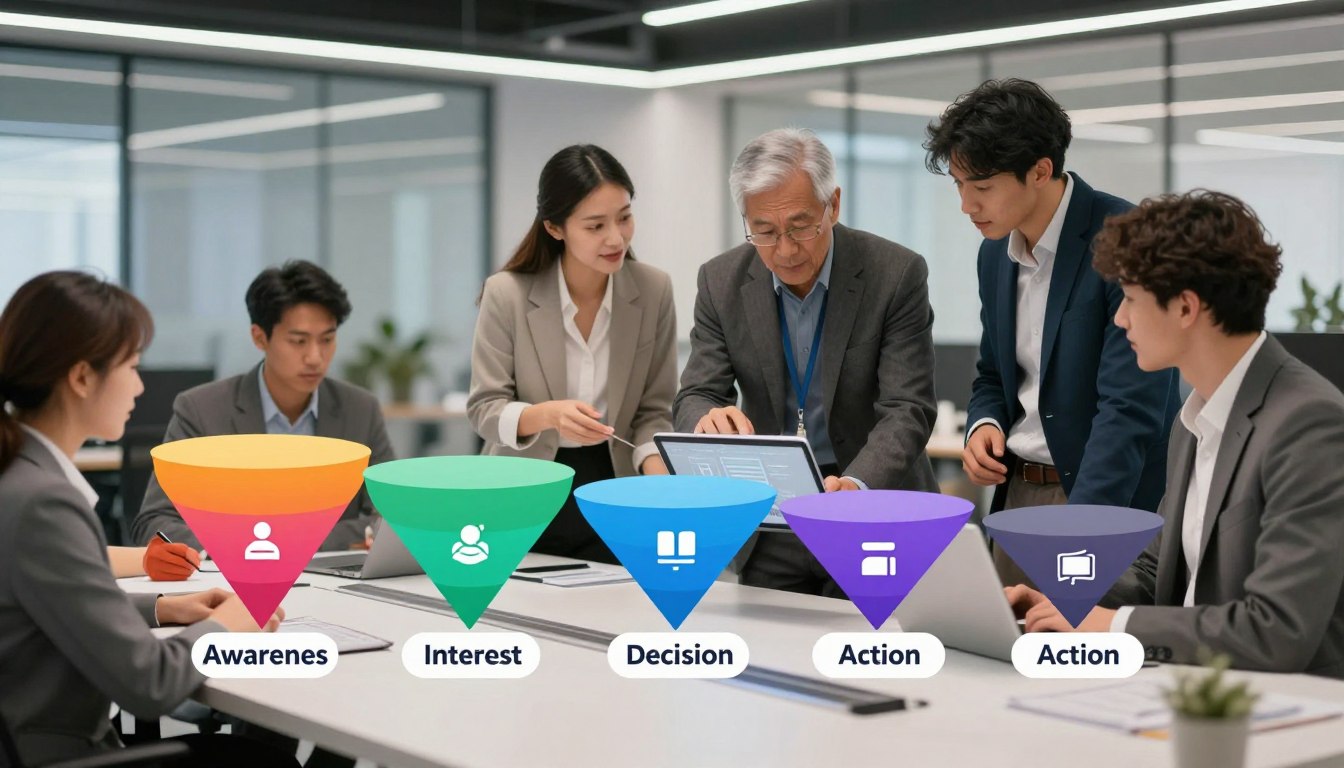
Growing a digital business in Singapore can feel personal. You may have a strong offer, yet visitors leave without asking a question or sharing their contact information. That silence can make growth feel uncertain.
We will explore the lead capture funnel as a clear system for moving anonymous visitors toward informed decisions. It connects useful content with genuine interest, helping prospects understand your value before they speak with your team.
The need is growing. Ji-Young Jang, Senior Manager of Product Marketing at Marketing Cloud, highlights a market shaped by rising expectations. Salesforce reports that customer expectations are increasing for 85% of organizations, while 69% say new-customer acquisition is becoming harder.
A practical lead generation funnel helps teams organize generation efforts, filter poor-fit inquiries, and give marketing clear priorities. In this guide, we take one useful step at a time, from audience research and content creation to automation, analytics, and ongoing improvement. The goal is steady progress, not a viral moment.
Key Takeaways
- Understand how a structured funnel supports steady business growth.
- Respond to rising customer expectations with useful information.
- Prioritize qualified prospects and reduce wasted marketing effort.
- Build trust through relevant content and clear communication.
- Use automation and analytics to improve results over time.
What Is a Lead Capture Funnel?
A clear path turns casual website visits into useful conversations. A lead generation funnel attracts visitors, collects contact information, and shares helpful content before direct sales engagement begins.
Marketing usually manages this process. It guides prospects through awareness, consideration, and decision. At each stage, people need different information about a product, its value, and the brand behind it.
Lead Capture Funnel and Sales Funnel Differences
The marketing-owned process builds interest and prepares qualified leads. A sales funnel begins when sales teams explore needs, offer consultation, prepare proposals, manage negotiation, close deals, and support retention.
Think of pour-over coffee. Broad water passes through coffee grounds, while the filter removes unwanted particles. In the same way, relevant content and clear questions refine a wide audience into stronger opportunities.
How the Funnel Supports Digital Business Growth
This generation funnel improves engagement and reduces wasted sales effort. It also creates a more predictable customer journey for Singapore businesses, helping teams respond with timely guidance instead of pressure.
| Stage | Customer Need | Business Action |
|---|---|---|
| Awareness | Recognize a problem | Share educational content |
| Consideration | Compare solutions | Show proof and value |
| Decision | Choose a provider | Support sales consultation |
Map the Lead Capture Funnel Stages
Each stage answers a different question. First, we create awareness. Next, we build trust. Finally, we help ready prospects choose a clear next step.
Awareness and Audience Engagement
Start with broad problem-solving content. Blog posts, social updates, infographics, and podcasts can introduce your brand without pushing an early sale. This approach gives Singapore audiences useful information and earns initial interest.
Consideration and Nurturing
Once prospects share information, offer deeper guidance. Webinars, whitepapers, case studies, and email newsletters can explain value, answer concerns, and support steady engagement. Marketing should review behavior and fit as prospects compare vendors.
“Relevant guidance turns curiosity into confident action.”
Decision and Sales Handoff
At the final stage, use free trials, live demos, pricing pages, and comparison sheets to remove objections. A qualified prospect may move from MQL to SQL when intent, need, and fit align. Use this stage guide to keep marketing and sales aligned.
Define Your Target Audience and Funnel Goals
Strong audience insight gives every marketing decision a clear purpose. For Singapore businesses, start by studying who buys, why they act, and what slows their decision. This focus keeps lead generation practical and aligned with business goals.
Build Buyer Personas for Singapore Prospects
Create a simple profile for each key prospect. Include demographics, pain points, professional goals, buying behavior, and the people involved in approval. Customer interviews, website questions, and journey mapping can reveal the information prospects need before they become active leads.
- Company size and industry
- Location, job role, and budget
- Decision authority and timeline
Set Lead Qualification Criteria
Turn these details into clear rules for sales and generation teams. A company-size dropdown can trigger automated scoring without adding much form friction. Use data to rank fit, intent, and readiness, rather than treating every inquiry equally.
Set measurable goals for each stage, such as qualified inquiries, response time, or meeting requests. This approach helps your company prioritize suitable customers. For practical sales planning, review results regularly and refine the process as buyer needs change.
Create Lead Magnets That Attract Qualified Leads
A useful resource can open a meaningful business conversation before a sales call begins. We define lead magnets as valuable assets exchanged for contact information. They support lead generation by giving prospects a clear reason to share their details.
Choose a format that fits the audience and the offer. Ebooks, webinars, infographics, quizzes, free trials, tools, templates, guides, and case studies can all provide value. Keep the content practical, focused, and easy to use.
Choose Valuable Content Formats
A payroll SaaS company might publish a “Quarterly Tax Compliance Checklist” for human resources directors. It solves a timely concern and connects naturally with the product. A commercial real estate firm could offer a “Downtown Office Space Rental Benchmark Report” to attract companies comparing Singapore office options.
Match Lead Magnets to Buyer Intent
Match each asset to the buyer’s stage. Broad guides suit early interest, while calculators, detailed proof, and trials support later decisions. Promote the resource on relevant landing pages and useful organic content. This approach helps a generation funnel attract genuinely relevant leads, not empty contacts.
Specific content creates stronger marketing signals. Review downloads, engagement, and follow-up responses to improve the next asset.
Build High-Converting Landing Pages
A focused page can turn online interest into a clear business action. For Singapore companies, every element should support one offer, one audience, and one next step.
Write a Clear Value Proposition
Start with a direct headline that names the customer problem and desired result. Follow it with a short benefit summary that explains the resource’s value. Remove the main navigation, external links, and competing messages. This keeps prospects focused on the offer.
Use trust signals such as customer results, security details, or a brief company statement. Keep the message simple, so visitors understand the value before reaching the form. This focused funnel stage supports stronger generation efforts and helps each lead move with confidence.
Reduce Form Friction and Capture Contact Information
Ask for a name and email address first. A short form takes less time to complete and can improve conversion rates. Requesting a phone number, address, and budget too early may cause abandonment.
Use progressive profiling to gather more information during later visits. This approach gives sales useful context without overwhelming prospects. A clear confirmation page should explain the next step and set expectations for contact. It also gives the second lead a natural path into the funnel for sales follow-up.
Drive Organic and Paid Traffic to Your Funnel
Search behavior can reveal where Singapore buyers need guidance. We can use that insight to bring the right prospects to the right page, instead of sending every visitor through the same journey.
Use SEO Content and Social Media
Build an optimized blog around questions that customers already ask. Clear articles, local examples, and useful tools can earn organic traffic from people seeking a product or service. Add a relevant lead magnet when it supports the reader’s next step.
Social media can widen awareness. Target professional interests, job titles, and Singapore business communities that match your buyer profile. Share short insights, customer proof, and helpful content to encourage genuine engagement with your brand.
Launch Targeted Paid Campaigns
Paid search reaches people who show strong intent through terms such as “accounting software Singapore.” Social campaigns can target selected roles and interests. Use distinct landing pages for each offer, then track source, cost, quality, and sales outcomes.
Combine speed with steady growth. Organic work builds trust, while paid campaigns test demand quickly. Simple automation and accurate tracking help marketing teams invest in channels that produce suitable leads.
| Channel | Best Use | Key Measure |
|---|---|---|
| SEO blog | Long-term discovery | Organic visits and inquiries |
| Social media | Awareness and engagement | Qualified interactions |
| Paid search | High-intent demand | Cost per opportunity |
Build Email Nurturing and Marketing Automation
Timely communication can turn quiet interest into steady progress. We can use email and automation to guide prospects with helpful content, while respecting their pace and privacy.
Create Personalized Email Sequences
Start with a short email series that teaches one idea at each stage. Downloads, page visits, and webinar attendance should shape the next message. This approach gives every prospect relevant value instead of sending the same content to everyone.
Segment Leads by Behavior and Interest
Group leads by industry, job role, interest, and engagement. A chief financial officer should not receive technical product updates meant for developers. Clear segments improve the customer journey and help marketing teams spend time wisely.
Use Automation to Maintain Engagement
AI agents can review behavioral data and send a message when interest rises. High-scoring prospects can move directly to sales rather than follow a long sequence. Continue respectful nurturing through email, SMS, social advertising, and dynamic website content.
CRM tools add structure. monday CRM offers visual pipelines, AI scoring, and automated follow-ups. Zendesk Sell supports management, tracking, and generation funnel reports, helping teams maintain consistent engagement.
Qualify Leads and Align Marketing With Sales
A disciplined review process helps Singapore teams turn interest into useful sales action. Shared rules, complete context, and fast replies keep the lead generation funnel focused on business goals.
Apply Lead Scoring to Identify Sales-Ready Prospects
Assign points for company fit, content engagement, email activity, pricing-page visits, and demo requests. A company-size question can activate automated scoring. High-scoring prospects can move directly to the sales team.
Define MQL, SQL, sales-ready, and disqualified status in one shared guide. These definitions prevent marketing and sales from chasing different outcomes. They also improve data quality across every stage of the journey.
“Speed matters when interest is clear.”
Create a Fast Marketing-to-Sales Handoff
Send the sales representative the consumed content, questions, pain points, and behavior data. An immediate alert should follow a pricing-consultation request. A three-day delay may give competitors time to intervene.
Tools such as monday CRM and Zendesk Sell centralize customer information and support automation. Salesforce reports that 83% of marketers clearly see their impact on the sales pipeline. That visibility helps teams improve engagement and reach qualified leads.
Measure Lead Capture Funnel Performance
Reliable measurement shows where growth gains momentum and where prospects lose interest. A lead generation funnel report should connect marketing activity with revenue, not just website traffic.
Track Conversion and Lead Quality
Review conversion rates at every stage, from content interaction and form completion to qualified leads, opportunities, and closed customers. Compare total inquiries with MQL-to-SQL movement, opportunity wins, win rate, and average deal size. This view separates volume from quality.
- Measure cost per lead, acquisition cost, and average lead value.
- Compare campaign results across pages, channels, and audiences.
- Connect email engagement and customer lifetime value with revenue.
Monitor Cost, Velocity, and Sales Cycle Metrics
Track time to conversion, sales-cycle length, pipeline velocity, and time in each stage. These figures expose delays in the sales funnel and help teams improve the buyer journey. Total revenue, deal size, and customer value add useful business context.
Use CRM software and regular reports to turn data into action. Zendesk Sell can generate recurring reports that show weak points, support better budget choices, and guide practical generation improvements.
Optimize the Funnel With Data and AI Tools
Small changes can create meaningful gains when we test them with care. A data-led process helps Singapore businesses improve each step without relying on guesswork.
Start with A/B testing. Compare landing-page headlines, email subject lines, content formats, form fields, and calls to action. Change one element at a time, then review conversion rates and response quality before choosing a winner.
Test Landing Pages, Content, and Calls to Action
CRM analytics reveal drop-off points, engagement patterns, traffic source quality, and stage progression. These insights show where prospects slow down and which generation activities support sales. Predictive scoring can then estimate conversion probability from firmographic and behavioral signals.
Use CRM Analytics and Predictive Lead Scoring
AI also supports faster generation work. McKinsey reports that generative AI applications, such as value-pool mapping and verified-list creation, can produce a two- to threefold increase in the sales pipeline. Still, responsible use matters. Gartner surveyed 265 service and support leaders in April and May 2025, and 77% felt pressure from executives to deploy AI.
Use automation with human review to protect data quality, privacy, and customer trust.
| Optimization Area | Useful Signal | Recommended Action |
|---|---|---|
| Landing page | Conversion rate | Test headline and form length |
| CRM process | Stage drop-off | Improve follow-up timing |
| AI scoring | Conversion probability | Review high-value prospects |
Conclusion
A sustainable growth plan begins with a connected lead generation funnel. It moves prospects from awareness to consideration and decision through useful blog content, not pressure. For Singapore teams, this journey gives each stage a clear purpose and keeps the brand helpful.
Start by defining local audiences, then offer valuable resources, focused landing pages, and relevant traffic. Nurture each lead with timely email messages, qualify fit, and pass strong opportunities to sales. A shared sales funnel keeps marketing and sales aligned around customer goals, fast follow-up, and a smooth experience.
Use data to review conversion, quality, cost, speed, and the sales cycle. CRM reporting, automation, and responsible AI can reveal what works and save time. Keep testing, protect customer trust, and let evidence guide generation efforts. With steady care, digital businesses can turn qualified leads into loyal customers and lasting growth.